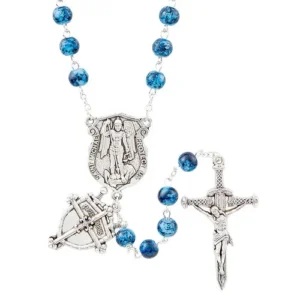
| Devotion Name: | Devotion to the Relics of St. Polycarp | Devotion Type: | Relic Devotion | |
| Primary Focus: | Saints | Origin Century: | 2 | |
| Origin Region: | Smyrna | Founder or Promoter: | Early Church | |
| Duration or Frequency: | On pilgrimage, feast days, or in related seasons | |||
| Associated Promises: | Traditionally associated with blessing, reverence, and strengthened remembrance of salvation history. | |||
| Liturgical Association: | Pilgrimage, feast observance, or related memorial | |||
| Feast Day(s): | Varies by devotion or associated feast | |||
| Spiritual Significance: | Connects the believer to sanctified history, witness, and embodied remembrance. | |||
| Virtues Emphasized: | Reverence|Memory|Faith|Hope | |||
| Related Saints: | Jesus Christ|martyrs and saints | |||
| Related Events: | Relic veneration tradition | |||
Summary: Relic-based devotion linking prayer to sacred memory, witness, and the embodied history of salvation.
Description:
Devotion to the Relics of St. Polycarp reflects the Christian conviction that grace works through history, bodies, memory, and witness. In venerating a relic or sacred object connected with Christ or the saints, the faithful honor not matter itself but the saving work of God manifested through it.
This devotion encourages reverence, continuity, and embodied remembrance. It teaches that Christianity is not merely a set of ideas but a faith rooted in events, persons, sacrifice, and sanctified history.
How to Practice: Venerate the relic or associated memorial reverently and accompany the practice with prayer and reflection.
Spiritual Significance: Connects the believer to sanctified history, witness, and embodied remembrance.