Shop Catholic Gifts
Shop by Sacrament
Shop by Devotion
Shop by Season
Shop Church Supplies
Age of the Early Church Fathers (100-500)
 he Age of the Early Church Fathers (A.D. 100–500) was one of the most formative periods in Catholic history. Following the death of the Apostles, the Church was guided by a generation of theologians, bishops, and saints known as the Church Fathers, whose writings preserved apostolic teaching and defended the Christian faith against persecution, heresy, and doctrinal confusion.
During this era, the foundations of Catholic theology were clarified, the New Testament canon was recognized, and the Church began to articulate key doctrines such as the Trinity, the divinity of Christ, and the nature of the Sacraments. Influential figures including St. Ignatius of Antioch, St. Irenaeus of Lyons, St. Augustine of Hippo, and St. Jerome helped shape Christian thought and pastoral practice. Their writings remain central to Catholic theology and continue to guide the Church today.
Who Where the Church Fathers?
|
The Church Fathers were early Christian leaders whose teachings, writings, and holiness helped preserve and explain the faith handed down by the Apostles. Most were bishops or theologians who lived between the first and fifth centuries. Characteristics of the Church FathersTo be recognized as a Church Father, a figure traditionally demonstrates:
Their letters, sermons, commentaries, and theological works form the foundation of Christian theology and are frequently referenced in Catholic teaching. |
|
Related products
-
Sacred Heart Epoxy Necklace – Medals & Jewelry
$84.00 -

Saint Michael Lava Bead Bracelet with Dangle
$12.00 -

Saint Benedcit Bracelet White/turq – Medals & Jewelry
$21.00 -

Jesus Reason Xmas Buttons 36pk – Medals & Jewelry
$49.00 -
Guardian Angel Saint Christopher Visor Clip
$14.00 -
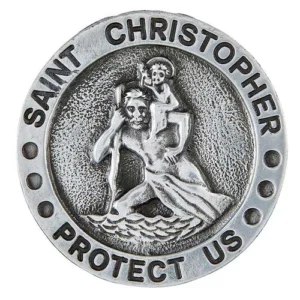
Saint Christopher Visor Clip – Catholic Home & Living
$14.00 -

18″ 2mm Rope Chain – Medals & Jewelry
$72.00 -
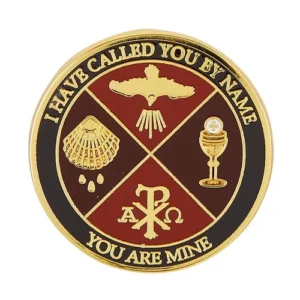
OCIA Lapel Pin – Medals & Jewelry
$60.00 -
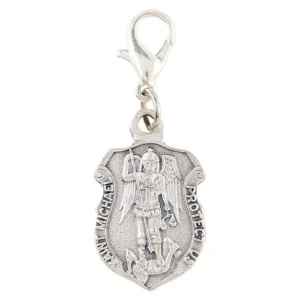
Clip On Medal Saint Michael Qty of 4
$49.00BULK -
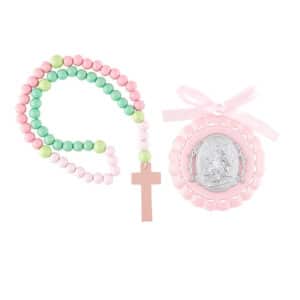
Crib Medal With Kiddie Rosary
$22.00 -
Wood Bead Epoxy Our Lady of Guadalupe Bracelet – Medals & Jewelry
$48.00 -
Radiance of Redemption Cross Pendant – Devotional Gift
$49.00ANT
Historical Context of the Early Church Fathers
The period between A.D. 100 and 500 was marked by dramatic transformation for Christianity.
From Persecution to Imperial Recognition
For nearly three centuries, Christians lived under intermittent persecution within the Roman Empire. Martyrs and bishops defended the faith publicly, while theologians wrote apologies explaining Christian beliefs to the wider world.
A major turning point came in A.D. 313 with the Edict of Milan, issued by Emperor Constantine, which legalized Christianity and allowed the Church to grow openly.
Rise of Christian Scholarship
As Christianity spread throughout the Roman world, centers of Christian learning developed in cities such as:
- Alexandria
- Antioch
- Rome
- Constantinople
- Carthage
These intellectual hubs produced many of the most influential Church Fathers.
Timeline of the Early Church Fathers
Major Doctrinal Debates of the Era
One of the most significant contributions of the Church Fathers was defending orthodox doctrine against heresies that threatened the unity of the Church.
Arianism and the Divinity of Christ
The Arian controversy challenged the belief that Jesus Christ was fully divine. This debate led to the Council of Nicaea (A.D. 325), which affirmed that Christ is “consubstantial with the Father.”
The Trinity
Church Fathers helped articulate the doctrine of the Holy Trinity, explaining how God exists as Father, Son, and Holy Spirit—three persons in one divine nature.
Christology
Later debates focused on the relationship between Christ’s human and divine natures, culminating in the Council of Chalcedon (A.D. 451), which declared that Jesus Christ is fully God and fully man.
Development of the Biblical Canon
During the Age of the Church Fathers, the Church gradually recognized the books that form the New Testament.
Early Christian communities relied on:
- Apostolic letters
- Gospel accounts
- Liturgical readings used in worship
By the late fourth century, Church councils such as Rome (382), Hippo (393), and Carthage (397) affirmed the 27 books of the New Testament recognized by the Catholic Church today.
Featured Catholic Blog Post
 The Invitation: God’s Call to the Wedding Feast - The Invitation: God's Call to the Wedding Feast A Catholic Reflection on Matthew 22:1–14 Imagine receiving an invitation to a…
Influential Early Church Fathers
Apostolic Fathers
The Apostolic Fathers were among the earliest Christian writers after the Apostles.
Key figures include:
- St. Clement of Rome
- St. Ignatius of Antioch
- St. Polycarp of Smyrna
Their writings offer valuable insight into the beliefs and practices of the earliest Christian communities.
Greek Fathers
Eastern theologians helped develop theological language and philosophical clarity.
Important Greek Fathers include:
- St. Athanasius of Alexandria
- St. Basil the Great
- St. Gregory of Nazianzus
- St. John Chrysostom
These saints played key roles in defending Trinitarian doctrine and strengthening Christian liturgy.
Latin Fathers
In the Western Church, Latin-speaking theologians shaped theology, biblical scholarship, and pastoral life.
Prominent Latin Fathers include:
- St. Augustine of Hippo
- St. Jerome
- St. Ambrose of Milan
- St. Gregory the Great
Their writings deeply influenced Western theology and medieval Christianity.
The Legacy of the Church Fathers
The contributions of the Early Church Fathers remain foundational to Catholic life and theology.
Their legacy includes:
- Defending orthodox Christian doctrine
- Clarifying the theology of the Trinity and Incarnation
- Preserving apostolic tradition
- Establishing biblical interpretation methods
- Influencing Catholic liturgy and spirituality
The Church Fathers are frequently quoted in the Catechism of the Catholic Church, demonstrating their continued importance in understanding the faith.
Why the Early Church Fathers Still Matter Today
The writings of the Church Fathers provide a direct link between modern Christianity and the teachings of the Apostles. Their works reveal how early Christians understood the Eucharist, the authority of bishops, devotion to the saints, and the structure of the Church.
For Catholics today, the Church Fathers offer:
- Historical proof of early Catholic beliefs
- Rich spiritual wisdom
- Insight into the development of Christian doctrine
Studying their writings helps believers better understand the continuity of the Catholic Church from the Apostolic Age to the present day.