Roses (St. Thérèse of Lisieux) Meaning in Catholic Tradition
| Symbol Category: | Saint Attribute | Latin Name: | |
| Symbol Family: | saint emblem | Sacrament: | |
| Associated Saint(s): | St. Thérèse of Lisieux | Design Forms: | held attribute;emblem;icon detail |
| Associated Colors: | pink;red | Related Symbols: | Crucifix;Little Way |
| Symbol Variations: | Roses | Symbol Pairings: | Halo;Book |
| Historical Period: | Patristic Era;Medieval;Modern Catholic Century | Geographic Origin: | Universal Church |
| Associated Orders: | Associated Devotions: | saints devotion | |
| Architectural Use: | Vestment Use: | ||
| Primary Tradition: | Roman Catholic;Eastern Catholic | Symbol Type: | Saint Symbol |
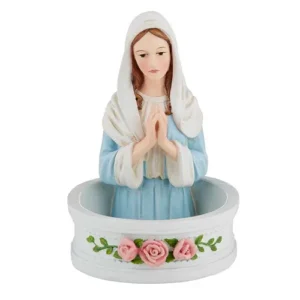
Symbol Meaning: Roses symbolize the saint’s promised shower of graces and hidden love. It serves as an identifying attribute for St. Thérèse of Lisieux in Catholic art.
Theological Significance: As a saintly attribute, this symbol points to holiness, witness, and the particular vocation embodied by St. Thérèse of Lisieux.
Historical Origin: Developed in Christian iconography to identify St. Thérèse of Lisieux by martyrdom, vocation, miracle, or distinctive devotion.
Bible Reference:
Liturgical Context: feast day of St. Thérèse of Lisieux;saints art
Liturgical Season: Any season
Use in Church Art: Common in icons, statues, stained glass, holy cards, and feast-day materials connected to St. Thérèse of Lisieux.
Visual Elements: roses
Short Description: Roses symbolize the saint’s promised shower of graces and hidden love.
Full Description: Roses symbolize the saint’s promised shower of graces and hidden love. Roses symbolize the saint’s promised shower of graces and hidden love. It serves as an identifying attribute for St. Thérèse of Lisieux in Catholic art. Used in Christian iconography to identify a saint, his or her life, mission, or martyrdom.