Shop Catholic Gifts
Shop by Sacrament
Shop by Devotion
Shop by Season
Shop Church Supplies
Monasticism
The Sacred Architecture of Solitude, Prayer, and Civilization
The Call to the Desert
 n Catholicism, Monasticism stands among the most transformative forces in Christian history—a radical answer to Christ’s call: “If you would be perfect, go, sell what you possess… and follow me” (Matthew 19:21). It is not merely a lifestyle but a total reorientation of the human soul toward God, expressed through poverty, chastity, obedience, and continual prayer. Emerging in the deserts of Egypt, Syria, and Palestine during the third and fourth centuries, monasticism became a living witness to the Gospel lived in its most uncompromising form. From solitary hermits to vast communal monasteries, the movement reshaped spirituality, theology, culture, education, and even the survival of Western civilization. This is the story of those who withdrew from the world—only to transform it.
 Origins: The Desert Fathers and Mothers
|
Monasticism begins not in cities, but in silence. Following periods of persecution and the legalization of Christianity under Constantine, many believers feared spiritual complacency. In response, men and women fled into the wilderness to pursue martyrdom of the heart—a life of total asceticism. |
|
Key Figures
-
- Anthony the Great (c. 251–356) – The “Father of Monasticism,” whose life inspired countless imitators
- Pachomius (c. 292–348) – Founder of communal monastic life (cenobitism)
- Macarius of Egypt – Spiritual teacher of desert wisdom
- The Desert Mothers – Including Amma Syncletica, exemplars of female ascetic holiness
Defining Features
-
- Radical solitude (eremitic life)
- Constant prayer and fasting
- Spiritual warfare against temptation
- Oral wisdom traditions (Apophthegmata Patrum)
These early monastics became spiritual athletes, battling passions in the desert and forging a theology rooted in lived experience.
Featured Catholic Blog Post
 The Invitation: God’s Call to the Wedding Feast - The Invitation: God's Call to the Wedding Feast A Catholic Reflection on Matthew 22:1–14 Imagine receiving an invitation to a…
 II. From Solitude to Community: The Rise of Cenobitic Life
While hermits sought God in isolation, others recognized the need for structured communal life.
Pachomian Revolution
Pachomius organized monks into communities governed by rules:
- Shared labor
- Common prayer
- Obedience to an abbot
- Regulated daily schedules
This model balanced ascetic rigor with order, accountability, and sustainability.
Basil the Great (c. 330–379)
In the East, Basil refined monastic life:
- Emphasized charity and service
- Integrated monasticism into the life of the Church
- Advocated moderation over extreme asceticism
His Rule remains foundational for Eastern Orthodox monasticism to this day.
III. Western Monasticism: The Rule of St. Benedict
If the desert gave birth to monasticism, Benedict of Nursia (c. 480–547) gave it enduring structure in the West.
The Rule of St. Benedict
A masterpiece of spiritual governance, the Rule established:
- Ora et Labora (Prayer and Work)
- Stability within a single monastery
- Balanced asceticism
- Hierarchical yet humane leadership
Impact
- Standardized Western monastic life
- Preserved classical and Christian texts
- Created centers of learning, agriculture, and culture
Benedictine monasteries became beacons of order amid the collapse of the Roman world.
IV. Monastic Orders and Their Charisms
Over centuries, monasticism diversified into distinct orders, each embodying a unique spiritual emphasis.
Major Traditions
Benedictines
- Stability, liturgy, balance
- Centers of scholarship and preservation
Cistercians
- Reform movement emphasizing simplicity
- Rural monasteries and manual labor
Carthusians
- Extreme solitude within community
- Silence and contemplation
Mendicant Orders (bridging monasticism and mission)
- Franciscans – Poverty, humility, evangelization
- Dominicans – Study, preaching, intellectual defense of faith
Each order reflects a different facet of the Gospel lived radically.
V. Monasticism and Civilization
Far from escaping the world, monks preserved it.
Cultural Contributions
- Manuscript preservation – safeguarding Scripture and classical works
- Education – founding early schools and universities
- Agriculture – advancing farming techniques
- Art and architecture – Romanesque and Gothic monasteries
During the so-called “Dark Ages,” monasteries functioned as repositories of knowledge, stability, and faith.
Explore the Catholic Library
VI. The Spiritual Theology of Monastic Life
At its core, monasticism is a school of divine love.
Core Practices
-
- Lectio Divina – Prayerful reading of Scripture
- Liturgy of the Hours – Sanctification of time
- Silence and contemplation
- Ascetic discipline
Theological Vision
-
- Union with God (theosis)
- Purification of the heart
- Detachment from worldly attachments
- Continuous conversion
Monks seek not escape, but transfiguration.
VII. Monasticism in the Modern World
Though centuries have passed, monasticism endures.
Contemporary Expressions
- Benedictine and Trappist monasteries
- Eastern Orthodox communities (e.g., Mount Athos)
- Lay oblates and spiritual affiliates
- Retreat centers offering silence and prayer
In a restless age, monasticism offers a countercultural witness of stillness, discipline, and transcendence.
Related products
-
Our Lady of Guadalupe Rosary Holder – Statues & Figurines
$57.00 -

Wedding Rosary; Clear 8mm – Rosaries & Chaplets
$44.00 -

Saint Michael Spirtual Rosary Blue – Rosaries & Chaplets
$72.00 -

Murano Aqua Bracelet – Rosaries & Chaplets
$34.00 -

2″ Maria Rosary Box – Rosaries & Chaplets
$45.00 -

Enamel Michael Rosary – Rosaries & Chaplets
$27.00 -

Men’s Rosary – Black Wood set of 3
$69.00BULK -

Murano Amethyst Bracelet
$34.00 -

Madonna Rosary Holder – Rosaries & Chaplets
$45.00 -

SaintMichael Rosary – Rosaries & Chaplets
$60.00 -
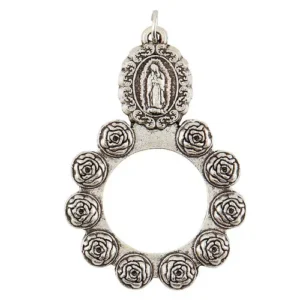
Our Lady of Guadalupe Rosary Ring – Rosaries & Chaplets
$24.00 -

Crib Medal With Kiddie Rosary
$22.00
VIII. Monasticism as a Living Legacy
Monasticism is not a relic of the past—it is a living heartbeat within the Church.
Its influence permeates:
-
- Catholic spirituality
- Liturgical rhythms
- Theological development
- Cultural memory
Every monastery, whether hidden in desert caves or nestled in European valleys, testifies to a single truth:
God alone is sufficient.
Closing Reflection
Monasticism is the architecture of eternity built within time—a life stripped to essentials, ordered entirely toward God. In the silence of cloisters and the austerity of desert caves, generations of men and women have pursued a singular aim: To seek the face of God—and, in doing so, to illuminate the world.