Shop Catholic Gifts
Shop by Sacrament
Shop by Devotion
Shop by Season
Shop Church Supplies
Reformation Era Church Councils (A.D. 1500–1700)
 he Reformation era stands as one of the most decisive periods in the history of the Catholic Church. Marked by doctrinal challenges, ecclesial reform, and global expansion, this age witnessed a series of councils and synods that clarified Catholic teaching, renewed discipline, and fortified the Church against fragmentation. These councils did not merely respond to crisis—they reshaped the structure, identity, and mission of Catholicism for centuries to come.
Historical Context: Crisis and Renewal
|
The early 16th century brought unprecedented upheaval. The rise of reform movements—most notably those associated with Martin Luther, John Calvin, and Huldrych Zwingli—challenged long-standing doctrines, ecclesiastical authority, and sacramental theology. In response, the Catholic Church entered a period of profound renewal often referred to as the Counter-Reformation. At the heart of this renewal were major councils that sought to: |
|
|
|
||
Featured Catholic Blog Post
 Building a Prayer Corner in a Small Apartment - Building a Prayer Corner in a Small Apartment In a small apartment, every square foot seems to have a responsibility. The dining table becomes a desk, the living room doubles as a place to work, and a quiet moment can be difficult to find between the demands of family, employment, and daily life. For Catholics who desire a more prayerful home, the thought of creating a dedicated place for prayer may seem impractical. There may be no spare bedroom, no…
 The Council of Trent (1545–1563)
The most significant council of this era was the Council of Trent, convened intermittently over nearly two decades. It stands as one of the most influential councils in Church history.
Doctrinal Clarifications
The Council of Trent issued definitive teachings in response to Protestant critiques:
- Affirmed the authority of both Scripture and Sacred Tradition
- Defined the canon of Scripture, rejecting Protestant reductions
- Clarified justification as involving both faith and works
- Reaffirmed the seven sacraments as instituted by Christ
- Upheld the doctrine of transubstantiation in the Eucharist
Reform Measures
Beyond doctrine, Trent initiated sweeping reforms:
- Established seminaries for proper priestly formation
- Enforced stricter episcopal residence requirements
- Addressed abuses such as simony and pluralism
- Standardized the Roman Missal and Breviary
Lasting Impact
The “Tridentine Church” that emerged from this council shaped Catholic life until the modern era. Its influence extended globally through missionary expansion into the Americas, Africa, and Asia.
Regional Synods and Reform Councils
While Trent was universal in scope, numerous regional councils and synods implemented its reforms locally.
Key Figures and Synodal Leadership
- St. Charles Borromeo
- Organized multiple provincial synods in Milan
- Became a model for episcopal reform and pastoral governance
- St. Francis de Sales
- Promoted catechesis and lay instruction
- Advanced gentle, persuasive methods of evangelization
Notable Regional Councils
- Provincial Councils of Milan (1560s–1580s)
- Synods in Spain, France, and the Holy Roman Empire
- Local reform councils in newly evangelized territories
These gatherings ensured that the decrees of Trent were not merely theoretical but actively lived within dioceses and parishes.
The Roman Catechism and Standardization of Teaching
Following Trent, the Church produced authoritative texts to unify teaching:
- The Roman Catechism (1566) provided a standardized guide for clergy
- The Roman Missal (1570) ensured liturgical uniformity
- The Roman Breviary regulated the Divine Office
These developments reinforced doctrinal clarity and liturgical cohesion across the Catholic world.
Missionary Councils and Global Expansion
The Reformation era was also an age of missionary dynamism. Councils and synods were held in newly evangelized regions to establish ecclesiastical structures.
Key Missionary Figures
- St. Francis Xavier
- Matteo Ricci
Global Developments
- Establishment of dioceses in the Americas and Asia
- Adaptation of pastoral strategies to diverse cultures
- Synodal governance in colonial and mission territories
These efforts transformed the Church into a truly global institution.
Related products
-
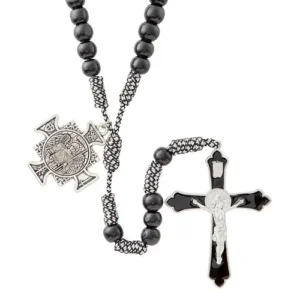
SaintMichael Rosary – Rosaries & Chaplets
$60.00 -
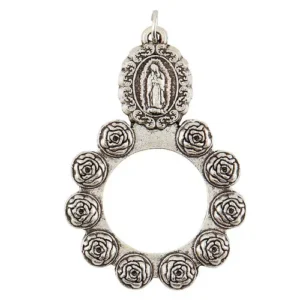
Our Lady of Guadalupe Rosary Ring – Rosaries & Chaplets
$24.00 -
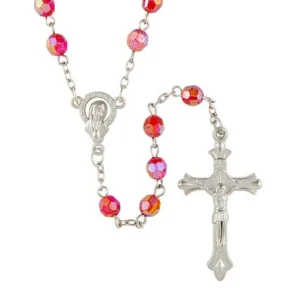
Acrylic Bead Rosary Red – Rosaries & Chaplets
$48.00 -

Murano Aqua Bracelet – Rosaries & Chaplets
$34.00 -

Saint Benedict Door Rosary – Rosaries & Chaplets
$34.00 -
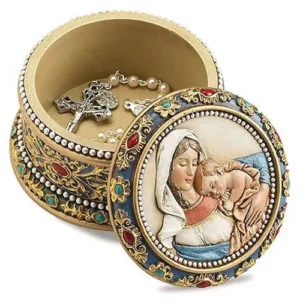
2″ Maria Rosary Box – Rosaries & Chaplets
$45.00 -

Acrylic Bead Rosary Blue – Rosaries & Chaplets
$48.00 -
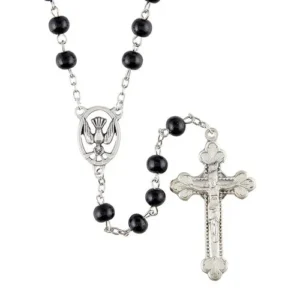
Confirmation Rosary; Wood Black Bead 6MM – Rosaries & Chaplets
$29.00 -
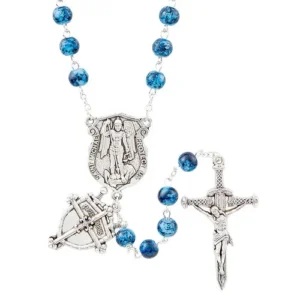
Saint Michael Spirtual Rosary Blue – Rosaries & Chaplets
$72.00 -

Acrylic Bead Rosary L Blue – Rosaries & Chaplets
$48.00 -
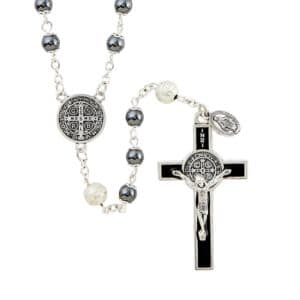
Paola Carola Saint Benedict Rosary
$29.00 -
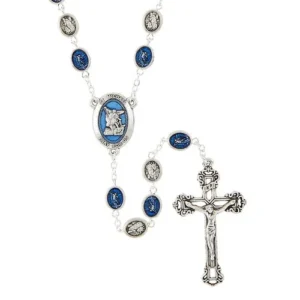
Enamel Michael Rosary – Rosaries & Chaplets
$27.00
Theological Consolidation and Catholic Identity
The councils of this era did more than respond to Protestantism—they forged a renewed Catholic identity rooted in clarity, discipline, and mission.
Hallmarks of Reformation-Era Councils
- Precision in doctrinal definitions
- Centralization of authority and uniform practice
- Emphasis on education and catechesis
- Strong episcopal leadership
- Integration of global missionary activity
This period laid the groundwork for the Catholic Church’s resilience and cohesion in the centuries that followed.
Timeline of Major Reformation-Era Councils
| Council / Synod | Date | Significance |
|---|---|---|
| Council of Trent | 1545–1563 | Doctrinal definition and major reform |
| Provincial Synods of Milan | 1560s–1580s | Implementation of Tridentine reforms |
| Various European Synods | 16th–17th c. | Regional enforcement of discipline |
| Missionary Councils (Americas/Asia) | 16th–17th c. | Global expansion and governance |
Explore the Catholic Library
Legacy of the Reformation Era Councils
The councils of the Reformation era reshaped Catholicism into a disciplined, globally unified, and doctrinally precise Church. Their effects endured well into the modern age, influencing everything from liturgy and priestly formation to missionary strategy and theological education.
They stand as a testament to the Church’s capacity for renewal in times of crisis—anchored in tradition, yet responsive to the challenges of a changing world.