Shop Catholic Gifts
Shop by Sacrament
Shop by Devotion
Shop by Season
Shop Church Supplies
Apostolic & Early Church Councils (A.D. 33–500)
The Foundations of Christian Doctrine, Unity, and Orthodoxy
 he Apostolic and Early Church Councils represent the formative centuries in which Christianity—emerging from persecution, doctrinal uncertainty, and geographic expansion—defined its beliefs with precision, authority, and enduring clarity. From the apostolic deliberations in Jerusalem to the great ecumenical councils of the fourth and fifth centuries, these gatherings established the theological, ecclesiastical, and sacramental framework that continues to shape the Catholic Church today. This era is not merely a chapter of history—it is the crucible in which orthodoxy was forged, heresies were confronted, and the unity of the Church was preserved against fragmentation.
What Are Apostolic & Early Church Councils?
|
A Church council is a formal assembly of bishops convened to resolve doctrinal disputes, address disciplinary issues, and guide the faithful in truth. In the earliest centuries, these councils were essential to maintaining unity across a rapidly expanding Christian world. The Apostolic and Early Church Councils (A.D. 33–500) include: |
|
|
These councils carry immense authority, especially the ecumenical councils, whose doctrinal definitions are binding and definitive. |
||
Timeline of Major Apostolic & Early Councils
- c. 50 – Council of Jerusalem
- 325 – Council of Nicaea
- 381 – Council of Constantinople
- 431 – Council of Ephesus
- 451 – Council of Chalcedon
Related products
-
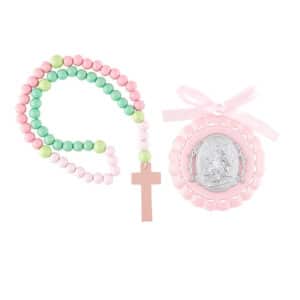
Crib Medal With Kiddie Rosary
$22.00 -
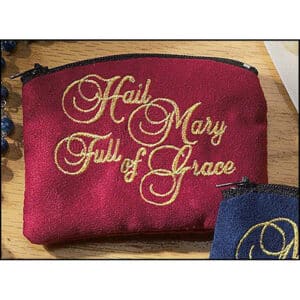
Hail Mary Rosary Case 3 Pack
$59.00BULK -
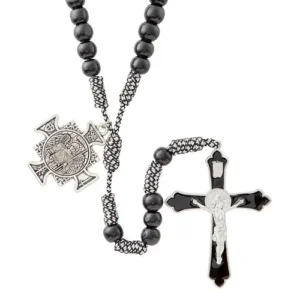
SaintMichael Rosary – Rosaries & Chaplets
$60.00 -
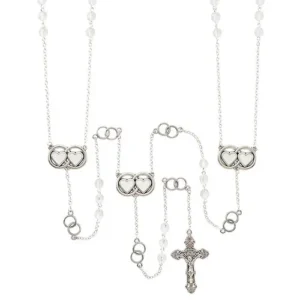
Wedding Lasso; Clear 8mm 45L – Rosaries & Chaplets
$40.00 -
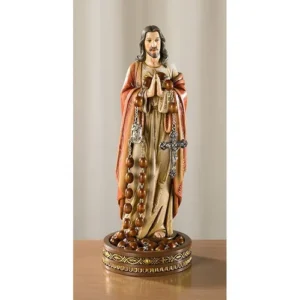
Sacred Heart Rosary Holder – Rosaries & Chaplets
$57.00 -
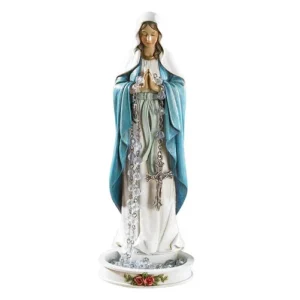
Madonna Rosary Holder – Rosaries & Chaplets
$45.00 -
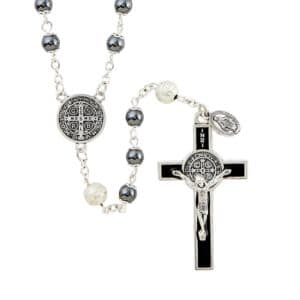
Paola Carola Saint Benedict Rosary
$29.00 -
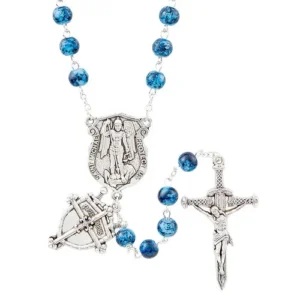
Saint Michael Spirtual Rosary Blue – Rosaries & Chaplets
$72.00 -
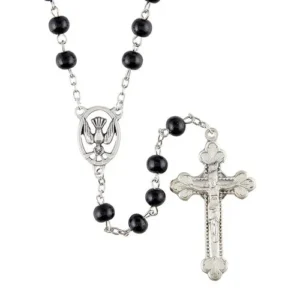
Confirmation Rosary; Wood Black Bead 6MM – Rosaries & Chaplets
$29.00 -
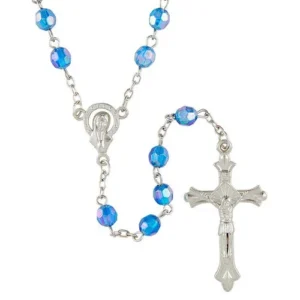
Acrylic Bead Rosary Blue – Rosaries & Chaplets
$48.00 -
Acrylic Bead Rosary Red – Rosaries & Chaplets
$48.00 -
Madonna Rosary Holder – Rosaries & Chaplets
$29.00
The First Ecumenical Councils (A.D. 325–451)
These councils defined core Christian doctrines—especially concerning the nature of Christ and the Trinity.
Historical Context: A Church Under Pressure
The early Church faced intense challenges that necessitated councils:
1. Persecution and Survival
Christians endured waves of persecution under Roman emperors, forcing theological clarity under pressure.
2. Rapid Expansion
As Christianity spread across the Roman Empire and beyond, cultural and linguistic differences created doctrinal tensions.
3. Heresies and Doctrinal Confusion
Movements such as Arianism, Gnosticism, and Nestorianism threatened to distort essential Christian beliefs.
4. Imperial Involvement
With Emperor Constantine’s conversion, councils gained imperial support—transforming local debates into universal decisions.
The Apostolic Foundation: Council of Jerusalem (c. A.D. 50)
The Council of Jerusalem, recorded in Acts 15, stands as the first Church council and a model for all that followed.
Key Issue:
- Must Gentile converts follow the Mosaic Law?
Outcome:
- The apostles, led by Peter and James, determined that Gentiles were not bound by the full Mosaic Law.
- This decision affirmed the universality of the Gospel.
Significance:
- Established the principle of apostolic authority
- Demonstrated conciliar decision-making
- Set precedent for resolving doctrinal disputes
The First Ecumenical Councils (A.D. 325–451)
These councils defined core Christian doctrines—especially concerning the nature of Christ and the Trinity.
Council of Nicaea (A.D. 325)
Convened by: Emperor Constantine
Primary Issue: Arianism (denial of Christ’s divinity)
Key Achievements:
- Affirmed that Christ is “consubstantial” (homoousios) with the Father
- Produced the Nicene Creed
- Established precedent for ecumenical authority
Council of Constantinople (A.D. 381)
Primary Issue: Nature of the Holy Spirit
Key Achievements:
- Expanded the Nicene Creed
- Affirmed the full divinity of the Holy Spirit
- Strengthened Trinitarian doctrine
Council of Ephesus (A.D. 431)
Primary Issue: Nestorianism (division of Christ’s nature)
Key Achievements:
- Declared Mary as Theotokos (“God-bearer”)
- Affirmed the unity of Christ’s person
Council of Chalcedon (A.D. 451)
Primary Issue: Nature of Christ
Key Achievements:
- Defined Christ as one Person in two natures (divine and human)
- Produced the Chalcedonian Definition
- Established enduring Christological orthodoxy
Key Themes and Doctrinal Developments
Across these councils, several foundational doctrines emerged:
1. The Trinity
Clarified the relationship between Father, Son, and Holy Spirit.
2. Christology
Defined the nature and person of Jesus Christ with precision.
3. Authority of the Church
Affirmed the role of bishops and councils in teaching truth.
4. Unity vs. Heresy
Drew clear boundaries between orthodoxy and false teachings.
Why These Councils Still Matter Today
The decisions made between A.D. 33 and 500 are not relics—they are living foundations:
- The Nicene Creed is still recited at Mass
- The doctrine of the Trinity remains central to Christian belief
- Christological definitions guide theology, liturgy, and devotion
- The conciliar model continues in modern Church councils
Without these councils, Christianity would likely have fractured into competing and incompatible interpretations.
FAQs
What was the first Church council?
The Council of Jerusalem (c. A.D. 50), where the apostles determined that Gentile converts were not required to follow the Mosaic Law.
What is the most important early Church council?
The Council of Nicaea (325) is often considered the most significant for defining Christ’s divinity and producing the Nicene Creed.
What did the Council of Chalcedon decide?
It defined that Jesus Christ is one person with two natures—fully divine and fully human.
Why were early Church councils necessary?
They resolved doctrinal disputes, preserved unity, and clarified essential Christian teachings.
Conclusion: The Bedrock of Christian Civilization
The Apostolic and Early Church Councils represent one of the most decisive periods in human history. In these assemblies, truth was articulated with precision, error was confronted with courage, and unity was preserved through apostolic authority.
They are not merely theological milestones—they are the enduring foundation upon which the entire structure of Catholic belief, worship, and identity stands.
Featured Catholic Blog Post
 Building a Prayer Corner in a Small Apartment - Building a Prayer Corner in a Small Apartment In a small apartment, every square foot seems to have a responsibility. The dining table becomes a desk, the living room doubles as a place to work, and a quiet moment can be difficult to find between the demands of family, employment, and daily life. For Catholics who desire a more prayerful home, the thought of creating a dedicated place for prayer may seem impractical. There may be no spare bedroom, no…