Shop Catholic Gifts
Shop by Sacrament
Shop by Devotion
Shop by Season
Shop Church Supplies
Medieval Church Councils (A.D. 500–1500)
 The Medieval Church Councils, spanning from the fall of the Western Roman Empire to the dawn of the Renaissance, represent one of the most formative periods in the history of Christianity. During these centuries, the Church emerged not only as a spiritual authority but as a central institution shaping law, culture, politics, and education across Europe. These councils—both ecumenical and regional—addressed theological disputes, reformed clerical life, clarified sacramental theology, responded to heresies, and navigated the complex relationship between Church and state. From the consolidation of papal authority to efforts at reunification with the Eastern Churches, the councils of this era forged the structure of medieval Christendom.
Historical Context
|
Following the collapse of imperial governance in the West, the Church became the primary unifying force across fragmented kingdoms. Bishops, abbots, and popes played vital roles not only in spiritual leadership but in governance, diplomacy, and cultural preservation. The medieval period witnessed: |
|
|
Church councils became essential mechanisms for addressing these challenges, offering a structured way to define doctrine and impose reform. |
||
Major Medieval Ecumenical Councils
Second Council of Constantinople (553)
Convened under Emperor Justinian I, this council sought to resolve lingering Christological controversies following the Council of Chalcedon. It condemned certain writings associated with Nestorianism, reinforcing orthodox teaching on the nature of Christ.
Third Council of Constantinople (680–681)
This council addressed the Monothelite controversy, affirming that Christ possesses two wills—divine and human—in accordance with His two natures. This clarification was crucial in safeguarding orthodox Christology.
Second Council of Nicaea (787)
A decisive moment in the Iconoclast Controversy, this council restored the veneration of icons, distinguishing between veneration (dulia) and worship (latria). It affirmed the theological legitimacy of sacred images within Christian devotion.
Fourth Council of the Lateran (1215)
One of the most influential councils of the Middle Ages, Lateran IV established key doctrines and reforms, including:
- Formal articulation of transubstantiation
- Requirement of annual confession and communion
- Measures for clerical reform
- Condemnation of heresies such as Albigensianism
It marked a high point in papal authority under Pope Innocent III.
First Council of Lyon (1245)
Convened by Pope Innocent IV, this council addressed political tensions with the Holy Roman Emperor Frederick II, ultimately excommunicating him. It also discussed crusading efforts and Church reform.
Second Council of Lyon (1274)
This council achieved a temporary reunion between the Latin Church and the Byzantine East. It also contributed to theological discussions on purgatory and ecclesiastical unity.
Council of Vienne (1311–1312)
Held in France, this council is best known for the suppression of the Knights Templar. It also addressed clerical reform and the organization of crusading efforts.
Council of Constance (1414–1418)
A pivotal council that ended the Western Schism (1378–1417), during which multiple claimants to the papacy divided Christendom. Constance restored unity by electing Pope Martin V and addressed issues of Church reform.
Council of Florence (1431–1449)
This council made significant efforts toward reunification with Eastern Churches, achieving temporary agreements with Greek, Armenian, and other Eastern Christian representatives. It also clarified doctrines concerning the Holy Spirit and papal primacy.
Related products
-
Men’s Rosary – Grey Hematite Set of 3
$89.00BULK -
Saint Benedict Door Rosary – Rosaries & Chaplets
$34.00 -
Confirmation Rosary; Wood Black Bead 6MM – Rosaries & Chaplets
$29.00 -
Pray Rosary Trifold Card 24pk – Books & Multimedia
$49.00 -
Acrylic Bead Rosary Red – Rosaries & Chaplets
$48.00 -
Madonna Rosary Holder – Rosaries & Chaplets
$29.00 -
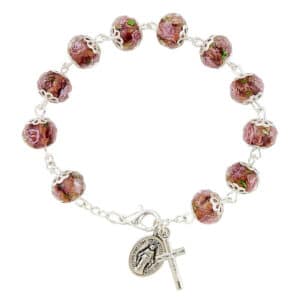
Murano Amethyst Bracelet
$34.00 -
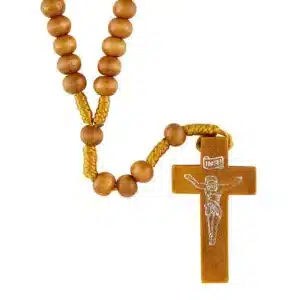
Wood Bead Cord Rosary – Rosaries & Chaplets
$36.00 -
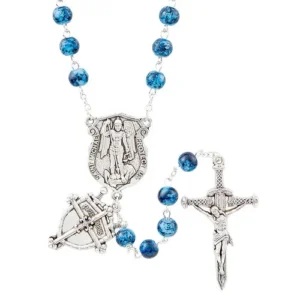
Saint Michael Spirtual Rosary Blue – Rosaries & Chaplets
$72.00 -
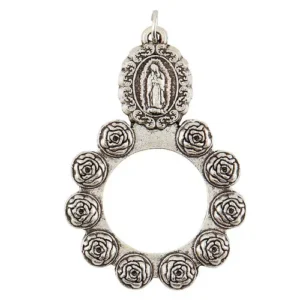
Our Lady of Guadalupe Rosary Ring – Rosaries & Chaplets
$24.00 -
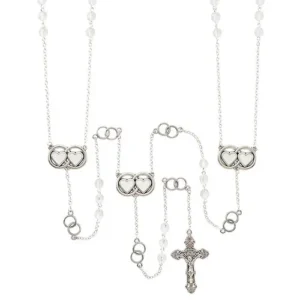
Wedding Lasso; Clear 8mm 45L – Rosaries & Chaplets
$40.00 -
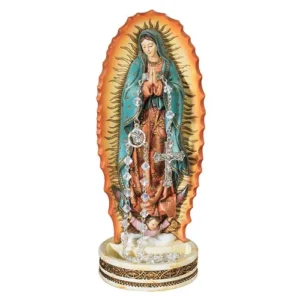
Our Lady of Guadalupe Rosary Holder – Statues & Figurines
$57.00
Key Themes and Developments
Doctrinal Clarification
Medieval councils played a critical role in refining theological doctrines, particularly concerning:
- The nature of Christ
- The Eucharist and sacraments
- The veneration of images
- The afterlife and purgatory
These clarifications ensured continuity with earlier teachings while responding to new challenges.
Response to Heresy
Councils actively confronted heretical movements such as:
- Catharism (Albigensians)
- Waldensianism
- Various Christological and theological deviations
These responses shaped the Church’s doctrinal boundaries and disciplinary measures.
Church Reform
Many councils sought to address corruption, clerical misconduct, and lax discipline. Reforms included:
- Enforcement of clerical celibacy
- Regulation of ecclesiastical offices
- Standardization of liturgical practices
- Oversight of monastic communities
Papal Authority and Governance
The medieval period saw the strengthening of papal primacy. Councils often reinforced the pope’s authority while also revealing tensions between conciliarism (the authority of councils) and papal supremacy.
East–West Relations
Several councils attempted to heal divisions between the Latin West and the Greek East. Although most reunification efforts proved temporary, they reflect the Church’s enduring desire for unity.
Explore the Catholic Library
Legacy of Medieval Church Councils
The councils of the medieval period laid the structural and theological foundations for the modern Catholic Church. Their influence can be seen in:
- The codification of canon law
- The development of sacramental theology
- The institutional strength of the papacy
- The intellectual tradition of scholasticism
They also set the stage for later developments, including the challenges of the Reformation and the reforms of the Council of Trent.
Conclusion
The Medieval Church Councils (A.D. 500–1500) were not merely gatherings of bishops but decisive moments in the shaping of Christian civilization. Through doctrinal clarity, institutional reform, and engagement with the cultural and political realities of their time, these councils guided the Church through a complex and transformative era.
Their legacy endures in the doctrines, structures, and spiritual life of the Church today—testament to a millennium of discernment, debate, and devotion.
Featured Catholic Blog Post
 Building a Prayer Corner in a Small Apartment - Building a Prayer Corner in a Small Apartment In a small apartment, every square foot seems to have a responsibility. The dining table becomes a desk, the living room doubles as a place to work, and a quiet moment can be difficult to find between the demands of family, employment, and daily life. For Catholics who desire a more prayerful home, the thought of creating a dedicated place for prayer may seem impractical. There may be no spare bedroom, no…