How to Organize a Parish Book Discussion
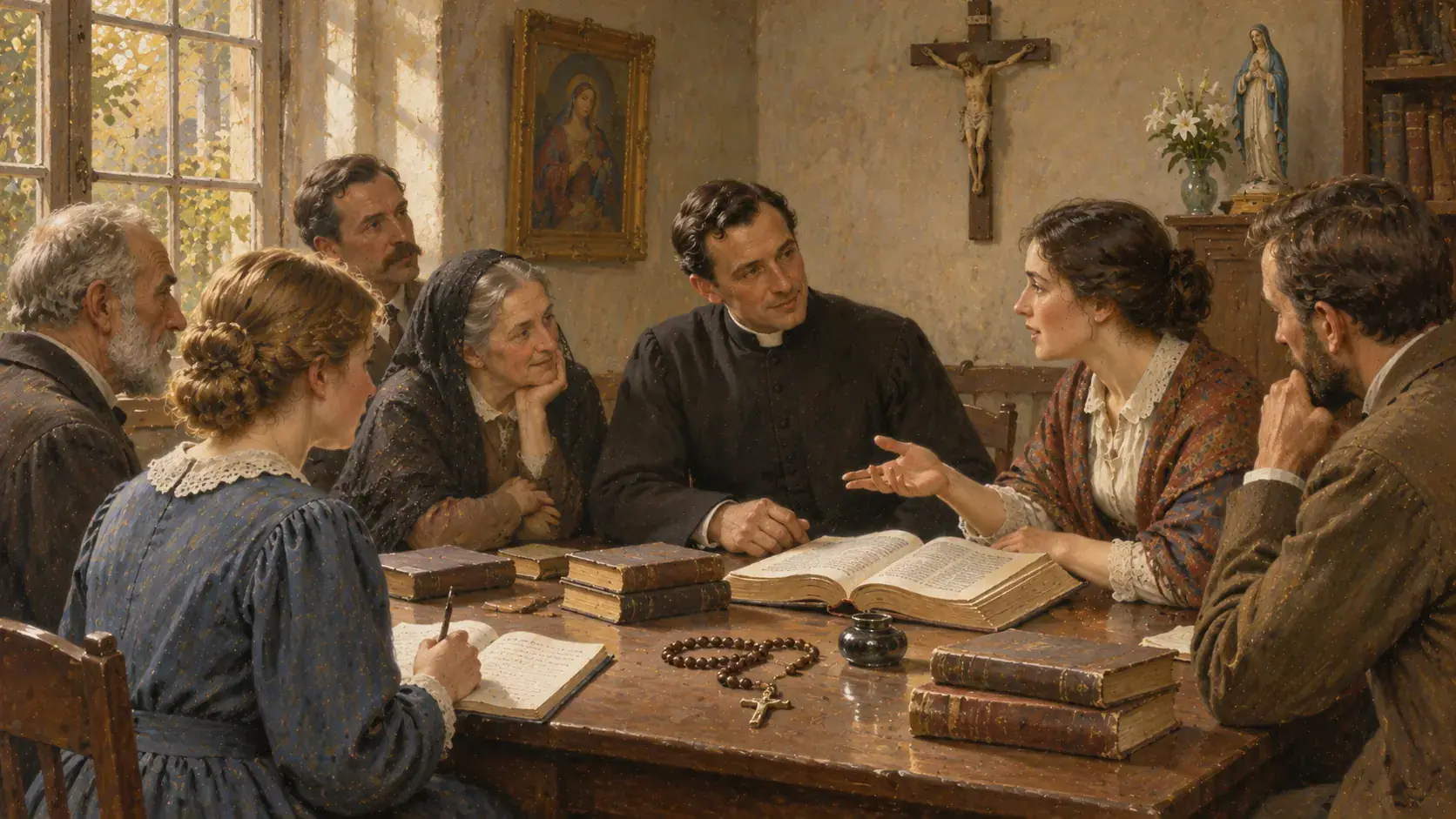
On a quiet weekday evening, a small group of parishioners gathers around a table in the parish hall. Some arrive carrying well-worn books filled with notes, while others have only recently begun exploring the Catholic faith. A retired teacher sits beside a young parent, and a longtime parish volunteer welcomes someone attending a parish activity for the first time. After an opening prayer, the facilitator asks a simple question about the chapter everyone has read. What follows is not a lecture but a conversation in which Scripture, personal experience, and the wisdom of the Church begin to illuminate one another.
Such gatherings rarely require elaborate equipment, large budgets, or extensive publicity. Yet a thoughtfully organized Catholic parish book discussion can become an important opportunity for adult faith formation, spiritual friendship, and deeper participation in parish life. Through shared reading and respectful conversation, Catholics can explore the teachings of the Church, encounter the lives of the saints, and consider how the Gospel should shape their everyday decisions.
The success of a parish book discussion does not depend upon the number of books completed or the sophistication of its participants. Its deeper purpose is to help people grow in knowledge of Christ, strengthen their relationship with the Church, and translate what they learn into faithful Christian living.
Whether a parish hopes to begin a small seasonal reading group or establish an ongoing ministry, the essential principles remain the same: choose worthwhile Catholic literature, create a welcoming environment, encourage thoughtful discussion, and keep the entire effort rooted in prayer.
Why Start a Catholic Parish Book Discussion?
Parishes offer many opportunities for worship, service, and religious education, yet adults sometimes struggle to find settings where they can explore their faith through sustained conversation. Sunday Mass remains the center of parish life, but parishioners may also benefit from opportunities to reflect more deeply upon the Scriptures, Catholic doctrine, and the spiritual challenges they encounter throughout the week.
A parish book discussion can help meet this need by bringing people together around a shared text. Unlike a formal lecture, a discussion group invites participants to articulate their questions, listen to different perspectives, and consider how Catholic teaching applies to their circumstances.
The Second Vatican Council’s Decree on the Apostolate of the Laity, Apostolicam Actuositatem, emphasizes the importance of formation for the lay apostolate. The Council recognizes that lay Catholics require spiritual and doctrinal preparation to fulfill their responsibilities in the Church and the world.
A well-led reading group can contribute to this formation. Participants may become more familiar with Scripture, discover the richness of Catholic spiritual writing, or gain confidence discussing their faith with family members and friends. Just as importantly, they may develop relationships with fellow parishioners whose experiences differ from their own.
These relationships can strengthen parish community. A person who initially attends because of an interesting book may eventually become involved in another ministry, participate more regularly in parish activities, or develop a lasting habit of spiritual reading.
Begin with a Clear Purpose and Parish Support
Before selecting a book or announcing a meeting, organizers should determine what they hope the group will accomplish. A discussion devoted to introductory Catholic teaching will differ from one exploring advanced theology, the writings of a Doctor of the Church, or practical approaches to family prayer.
A parish might organize a book discussion to welcome Catholics returning to active practice, support parents seeking to deepen their faith, introduce parishioners to the lives of the saints, or provide ongoing formation for adults who have completed OCIA. Other groups may focus upon Catholic social teaching, the spiritual life, Church history, or the meaning of the sacraments.
Clarity about the purpose helps organizers choose suitable books, establish realistic expectations, and communicate effectively with potential participants.
Because the gathering takes place within the life of a Catholic parish, organizers should also consult the pastor or appropriate parish staff before launching the program. The parish may already have an adult faith formation coordinator, religious education director, or ministry leader responsible for similar activities.
Early coordination helps ensure that the proposed group complements existing parish programs, respects the pastor’s oversight, and follows local policies concerning facilities, communications, volunteers, and safeguarding.
This consultation need not make the project complicated. A brief proposal identifying the group’s purpose, intended audience, proposed book, meeting schedule, and facilitator may provide enough information for parish leadership to determine the next steps.
How to Choose the Right Catholic Book
The book itself establishes the foundation for the entire discussion. An engaging selection can encourage participants to read attentively and return each week, while a text poorly matched to the audience may discourage even enthusiastic parishioners.
Organizers should begin by considering the participants’ familiarity with Catholic teaching. A group of newcomers may benefit from an accessible introduction to the faith, while experienced readers may welcome a more demanding theological or spiritual work.
The subject should also support the group’s stated purpose. A parish seeking to encourage prayer might select a book on Catholic spirituality, while a group exploring Christian discipleship could read a work focused on virtue, charity, or the teachings of Jesus.
Scripture and the Catechism
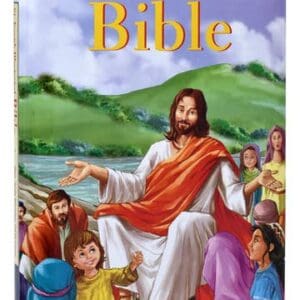
Sacred Scripture provides a particularly fruitful foundation for parish discussion. A group might read one Gospel over several weeks, explore selected parables, or examine the Acts of the Apostles to understand the life of the early Church.
The Catechism of the Catholic Church can also serve as an authoritative reference. Rather than attempting to cover the entire Catechism in a short program, organizers can select passages related to the group’s theme and use them to clarify Catholic teaching.
When discussing Scripture, participants should remain attentive to the Church’s interpretation and the literary and historical context of the biblical text. Personal reflection can enrich a conversation, but it should not replace sound Catholic interpretation.
The Lives and Writings of the Saints
Biographies and spiritual writings of the saints offer another compelling approach. Their experiences reveal how Christian holiness develops amid suffering, responsibility, uncertainty, and ordinary human limitations.
Saint Thérèse of Lisieux, Saint Teresa of Ávila, Saint Francis de Sales, and Saint Augustine are among the many figures whose writings or biographies can encourage thoughtful reflection. Their works vary considerably in difficulty, so organizers should choose editions appropriate for the group.
A parish discussion of Saint Teresa of Ávila, for example, might explore her understanding of prayer as a growing friendship with Christ. Participants could consider how her teaching applies to the distractions and responsibilities of contemporary life.
Contemporary Catholic Literature
Contemporary Catholic authors may address questions concerning family life, evangelization, apologetics, social teaching, and spiritual formation in language accessible to modern readers.
When selecting such works, organizers should evaluate the author’s qualifications, the publisher’s reputation, the book’s fidelity to Catholic doctrine, and its suitability for the intended audience. A book’s popularity does not automatically make it an appropriate resource for parish formation.
It can be helpful to have the pastor, a qualified catechist, or the adult faith formation coordinator review the selection before the group begins. This is especially important when the text addresses controversial theological questions or subjects requiring careful pastoral judgment.
How Many People Should Join a Parish Book Discussion?
A parish book discussion does not need a large membership to become fruitful. In fact, smaller gatherings often encourage more meaningful participation because each person has sufficient opportunity to speak.
For a conversational format, approximately six to twelve participants can be a practical starting point. This is an organizational suggestion rather than a Church requirement. Larger groups can succeed as well, particularly when organizers divide participants into smaller discussion circles.
When determining the group’s size, consider the available meeting space, the facilitator’s experience, and the needs of participants. A group composed largely of newcomers may benefit from additional time for introductions and questions, while an established group may move more quickly into deeper discussion.
Registration can help organizers estimate attendance, arrange seating, and communicate reading assignments. Nevertheless, the process should remain welcoming. Some parishioners may hesitate to register for an activity that sounds academically demanding, especially if they have not participated in formal education for many years.
Publicity should emphasize that the gathering is an opportunity to learn together rather than a test of religious knowledge.
Choosing a Meeting Schedule That Encourages Participation
Consistency is often more important than frequency. A group that meets at a predictable time gives participants a better opportunity to incorporate reading and discussion into their existing responsibilities.
For a first program, a four- to six-week series can provide a manageable beginning. Participants know the commitment in advance, and organizers can evaluate the experience before deciding whether to continue.
Weekly meetings of approximately sixty to ninety minutes often allow enough time for prayer, discussion, and fellowship. However, the schedule should reflect the parish’s circumstances. A group of working parents may prefer evenings, while retirees might find a weekday morning more convenient.
Organizers should also consider the parish calendar. Major solemnities, sacramental celebrations, school activities, and existing ministries may affect room availability and attendance.
If the group meets in person, accessibility deserves careful attention. Participants should be able to enter the building comfortably, locate the meeting room, and hear the conversation. Where feasible, accommodations for mobility, hearing, or other needs can make the program more inclusive.
Online or hybrid meetings may offer additional flexibility, although organizers should use parish-approved technology and follow applicable privacy and safeguarding requirements.
Preparing the First Parish Book Discussion Meeting
The first gathering establishes the atmosphere for the entire program. Participants should leave with a clear understanding of the group’s purpose, the reading schedule, and the kind of conversation they can expect.
A welcoming room arrangement can make a meaningful difference. Chairs placed in a circle or around a table encourage conversation more naturally than rows facing a speaker. A crucifix or other appropriate devotional image can provide a quiet reminder that the gathering is rooted in Catholic faith.
Begin with a short prayer asking the Holy Spirit to guide the discussion. Introduce the book, explain why it was selected, and invite participants to share what drew them to the group.
It is also wise to establish a few expectations. Participants should listen respectfully, allow others time to speak, avoid dominating the conversation, and distinguish between personal opinions and the teachings of the Church.
These expectations are particularly important when a book addresses difficult questions. A Catholic discussion group should provide room for sincere inquiry without suggesting that every theological position carries equal authority.
The facilitator can acknowledge uncertainty honestly and refer questions requiring further research to reliable Catholic sources or appropriate parish leadership.
The Role of the Facilitator: Guide Rather Than Lecturer
One of the most important decisions in organizing a parish book discussion is selecting the facilitator. This person need not be a professional theologian, but should possess a sound understanding of Catholic teaching, a willingness to prepare, and the ability to encourage respectful conversation.
The facilitator’s task is not to demonstrate superior knowledge. Rather, the facilitator helps participants engage the text, consider its meaning, and connect its lessons to Christian life.
Good questions are essential. Instead of asking only whether participants enjoyed a chapter, the facilitator might invite them to identify the author’s central argument, consider a passage that challenged their assumptions, or explain how the reading relates to Scripture.
Questions that invite reflection generally produce richer conversations than those designed merely to elicit a predetermined answer.
At the same time, Catholic formation requires doctrinal clarity. When a participant expresses an interpretation contrary to established Church teaching, the facilitator should respond respectfully while explaining the relevant teaching or arranging to provide an authoritative reference.
A successful facilitator balances hospitality with fidelity, creating an environment where participants feel comfortable asking questions while remaining grounded in the faith of the Church.
Ten Questions That Encourage Meaningful Catholic Discussion
Thoughtful preparation can transform an ordinary reading assignment into a fruitful conversation. Rather than relying entirely upon spontaneous comments, facilitators should prepare several open-ended questions that move from understanding the text toward its practical application.
Useful questions include: What is the author’s central message in this chapter? Which passage stood out to you, and why? How does the reading deepen our understanding of Jesus Christ? What connections can we identify between this chapter and Sacred Scripture? Does the author challenge a common assumption about Catholic life? What does the text reveal about prayer, virtue, or discipleship? How does the Church’s teaching clarify the subject? Which questions remain unresolved? What might this chapter teach us about serving others? And what is one concrete action we can take before our next meeting?
The facilitator need not ask every question during a single session. Selecting three or four strong questions and allowing sufficient time for discussion will often produce better results than rushing through a lengthy agenda.
Silence should not be feared. Participants sometimes need a moment to gather their thoughts, especially when a question concerns personal spiritual experiences or difficult moral choices.
The goal is not to fill every moment with conversation but to help participants reflect carefully and respond sincerely.
A Sample Ninety-Minute Parish Book Discussion
A predictable meeting structure helps participants feel comfortable and ensures that prayer and discussion receive appropriate attention.
A ninety-minute session might begin with ten minutes for welcoming participants and informal conversation. The facilitator can then lead a five-minute opening prayer, followed by a brief review of the assigned chapter and its principal themes.
The central forty-five minutes can be devoted to guided discussion. Participants should have opportunities to ask questions, share observations, and consider the reading in light of Scripture and Catholic teaching.
Another ten minutes can focus upon practical application. The facilitator might ask participants to identify a virtue they wish to cultivate, a passage they intend to revisit, or an act of charity they can perform during the coming week.
The final portion of the meeting can include announcements, the next reading assignment, and a closing prayer. This structure is flexible, but it prevents the discussion from becoming so unstructured that participants leave without a clear sense of spiritual direction.
Helping Participants Who Have Not Finished the Reading
One of the most common challenges in any book discussion is uneven preparation. Work, family responsibilities, illness, and unexpected obligations can prevent participants from completing an assigned chapter.
A parish group should encourage preparation without allowing the reading requirement to become an unnecessary barrier to participation. Organizers can help by assigning manageable sections and communicating expectations clearly.
At the beginning of each session, the facilitator may provide a brief summary of the chapter’s principal themes. This allows participants who struggled to complete the reading to follow the discussion without requiring others to repeat the entire text.
Participants should nevertheless be encouraged to read whenever possible. The value of a book discussion depends partly upon sustained engagement with the author’s actual words rather than secondhand summaries alone.
A balanced approach respects both the educational purpose of the group and the legitimate responsibilities of its members.
Keeping the Discussion Faithful to Catholic Teaching
Catholic parish formation differs from a purely secular reading club because it takes place within the Church’s mission of evangelization and discipleship. Participants may bring varied experiences, questions, and levels of understanding, but the group should remain rooted in Sacred Scripture, Sacred Tradition, and the Magisterium.
The Catechism of the Catholic Church provides a reliable reference for many doctrinal questions. The writings of the Second Vatican Council, papal documents, and official resources from the United States Conference of Catholic Bishops can also assist facilitators.
When discussing historical events or the lives of the saints, organizers should distinguish documented facts from devotional traditions whose historical details may be uncertain. This approach protects both intellectual honesty and the integrity of Catholic teaching.
It is equally important to recognize the limits of a parish discussion group. Participants may raise questions involving personal moral difficulties, marital situations, grief, or other sensitive matters. A facilitator should not attempt to replace pastoral counseling, sacramental confession, or professional assistance where those are needed.
Instead, the group can offer compassionate listening and direct individuals toward appropriate parish or professional support.
Building Fellowship Without Losing the Spiritual Purpose
Book discussions can become valuable sources of friendship, especially for parishioners who have difficulty forming relationships outside Sunday Mass. Informal conversation before and after meetings helps participants learn one another’s names and develop a stronger sense of belonging.
Simple hospitality can support this atmosphere. Coffee, tea, or modest refreshments may be appropriate when facilities and budgets permit, although they are not essential to the group’s success.
Organizers should also remember that participants may differ in age, educational background, cultural experience, and familiarity with Catholic practice. A welcoming discussion does not assume that everyone already understands specialized theological vocabulary or shares the same devotional habits.
Explaining unfamiliar terms, inviting quieter participants to contribute without pressuring them, and showing patience toward sincere questions can help build trust.
Over time, this fellowship can become one of the group’s most enduring fruits. Participants may discover that the Catholic faith is not merely a subject to be studied but a life to be shared within the Body of Christ.
Budgeting and Finding Resources for a Parish Reading Group
A parish book discussion can often operate with minimal expense. The principal costs may include books, printed materials, refreshments, and occasional meeting supplies.
Before selecting a title, organizers should consider whether participants can obtain affordable copies. Parish libraries, local public libraries, used-book sellers, and authorized digital editions may help reduce costs.
For participants experiencing financial hardship, the parish may be able to establish a small lending collection or arrange donated copies. No one should feel embarrassed about needing assistance to participate.
When distributing excerpts, worksheets, or digital copies, organizers must respect copyright law and the publisher’s licensing terms. Purchasing one copy of a book does not ordinarily authorize reproducing substantial portions for an entire group.
Parishes may also consider building a permanent collection of reliable Catholic books for future formation programs. A modest library can support adult education, family faith formation, and parish ministry over many years.
Readers interested in devotional books, Catholic literature, and other resources for faith formation can explore All Catholic Gifts. Any purchasing decision should remain secondary to the group’s educational and spiritual purpose.
Promoting the Group Throughout the Parish
Even a carefully planned program will struggle if parishioners do not know it exists. Effective communication should explain what the group will read, who is welcome, when meetings will take place, and how participants can obtain the book.
The parish bulletin remains a useful starting point, particularly when the announcement appears several weeks before the first meeting. The parish website, email newsletter, social media accounts, and announcements through existing ministries may also help reach interested participants.
Personal invitations can be especially meaningful. A parishioner who hesitates to attend an unfamiliar group may feel more comfortable when invited by a friend, catechist, or ministry leader.
Promotional language should emphasize accessibility and shared discovery. Instead of presenting the gathering as an advanced theological seminar, organizers can describe it as an opportunity to read a Catholic book, ask questions, and grow in faith alongside fellow parishioners.
Clear communication also helps establish realistic expectations. Participants should know whether the group is introductory or advanced, whether registration is required, and whether the program is open to people who are not Catholic.
How to Know Whether the Parish Book Discussion Is Working
Attendance provides useful information, but numbers alone cannot measure the spiritual value of a parish ministry. A small group that encourages meaningful prayer, deeper understanding, and lasting fellowship may accomplish more than a larger gathering whose participants remain passive.
At the conclusion of a series, organizers can invite participants to reflect upon their experience. Did the book help them understand Catholic teaching more clearly? Did the discussions encourage prayer or personal conversion? Did they feel welcomed and respected? Would they recommend the group to others?
Facilitators should also evaluate practical matters such as meeting length, reading assignments, accessibility, and the suitability of the selected text.
These observations can guide future programs without turning spiritual formation into a competition for attendance or productivity.
The most important measure remains whether the ministry helps participants draw closer to Christ and live their faith more faithfully.
From Reading Together to Living the Gospel
A parish book discussion reaches its deepest purpose when participants carry what they have learned beyond the meeting room. Catholic faith is not simply the accumulation of religious information. It is a living relationship with Jesus Christ that calls for conversion, worship, and charity.
Saint James reminds Christians that hearing the word of God must lead to action. In James 1:22, he urges believers to become doers of the word rather than hearers alone.
This teaching offers a fitting conclusion to every parish reading group. Participants might finish a discussion of prayer by establishing a more consistent devotional habit. A book about the corporal works of mercy might inspire service to a local family in need. A study of the saints might encourage greater courage, humility, or generosity.
The practical response need not be dramatic. A sincere conversation, a renewed commitment to Sunday Mass, or a small act of forgiveness may represent a meaningful step toward holiness.
Our broader guide to Catholic living and practicing the faith every day explores how prayer and ordinary responsibilities can become expressions of Christian discipleship.
When a parish book discussion helps people connect the wisdom of the Church with their daily choices, the ministry becomes more than an educational activity. It becomes a place where the Gospel is heard, considered, and carried into the world.
Begin with One Book and an Open Door
Organizing a Catholic parish book discussion does not require a complicated program or a large committee. A clear purpose, a carefully chosen book, a supportive pastor, and a welcoming facilitator can provide the foundation for a fruitful ministry.
The first gathering may be modest. Perhaps only a handful of parishioners will attend, and the conversation may begin hesitantly. Yet as participants grow comfortable with one another, they may discover that their shared reading opens the door to deeper prayer, stronger friendships, and a renewed appreciation for the richness of Catholic faith.
The Church has always valued the transmission of faith through teaching, conversation, and the witness of Christian community. A parish book discussion continues that work in a simple and accessible form.
Begin with one worthwhile book, invite people to gather, and allow the conversation to unfold under the guidance of the Holy Spirit. The lasting fruit may reach far beyond the pages that first brought everyone together.
A Catholic Prayer for Parish Book Discussions and Faith Formation
Heavenly Father, source of all wisdom and truth, we thank You for the gift of Sacred Scripture, the teaching of Your Church, and the faithful witnesses who have helped preserve and share the Catholic faith.
Send Your Holy Spirit upon all who gather to study, read, and discuss the mysteries of Your love. Open our minds to understand Your truth, soften our hearts to receive Your grace, and guide our conversations with patience, humility, and charity.
Help us listen respectfully to one another, welcome those who seek understanding, and remain faithful to the teachings of Your Church. May our study never become an end in itself, but always lead us toward deeper prayer, more generous service, and greater love for Jesus Christ.
Bless the pastors, catechists, ministry leaders, volunteers, and parishioners who dedicate their time to the formation of others. Through the intercession of the Blessed Virgin Mary, Seat of Wisdom, may our parish communities become places where faith is strengthened and the Gospel is lived.
Through Christ our Lord. Amen.
Sources and Further Reading
Second Vatican Council — Apostolicam Actuositatem. The Council’s teaching on the apostolate of the laity and the importance of formation for Christian service.
Catechism of the Catholic Church. An authoritative reference for Catholic doctrine, prayer, moral teaching, and sacramental life.
United States Conference of Catholic Bishops — James 1. The biblical call to become doers of the word and not hearers alone.
United States Conference of Catholic Bishops — Acts 2. The early Christian community’s devotion to apostolic teaching, fellowship, prayer, and the breaking of bread.
Second Vatican Council — Dei Verbum. The Dogmatic Constitution on Divine Revelation and the place of Sacred Scripture and Tradition in the life of the Church.
“`