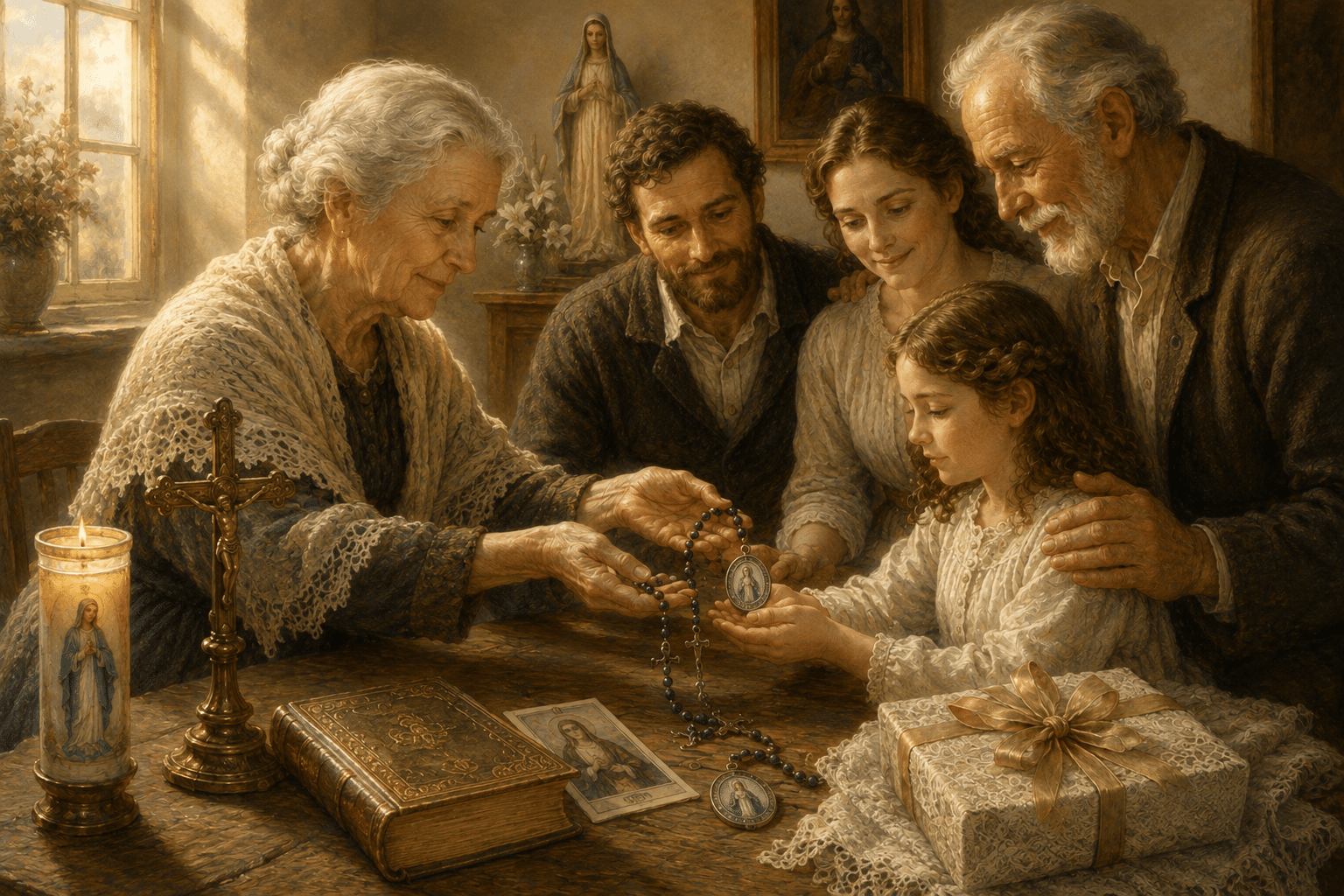
There is a difference between giving someone an object and giving someone something that becomes part of a life. Most people recognize that difference when they encounter it. The wrapping paper comes away, the box opens, and for a moment the room grows quiet because what rests inside carries meaning beyond the object itself. A grandmother gives her granddaughter a Rosary. A father gives his son a medal bearing the image of his Confirmation saint. A newly married couple unwraps a crucifix that may someday hang above the doorway of a house they have not yet bought. A child receives a Bible with a handwritten inscription and a date inside the cover. Years later, the occasion may fade in memory, but the gift remains.
The most meaningful Catholic gift ideas begin with this possibility. They begin not with merchandise but with meaning. A thoughtfully chosen religious gift can recall a sacrament, encourage prayer, honor a patron saint, establish a family tradition, comfort someone during suffering, or place something beautiful and unmistakably Catholic within an ordinary home. The best gifts continue giving long after the occasion ends because they find a place within the recipient’s life of faith.
How to Choose a Meaningful Catholic Gift
Choosing a Catholic gift becomes easier when the giver begins with the person rather than the product. A few simple questions can reveal what kind of gift might carry lasting meaning. Consider what the recipient celebrates, where that person stands in the life of faith, whether a particular saint holds special significance, and whether a sacrament or new vocation marks the occasion. Someone may be building a home, welcoming a child, entering the Church, grieving a loss, recovering from illness, or beginning a new chapter that deserves prayer and encouragement.
These circumstances give a religious gift its context. A beautiful Rosary may suit many occasions, but a Rosary connected to a recipient’s Marian devotion carries greater personal meaning. A saint medal becomes more thoughtful when the giver knows why that saint matters. A Bible with a handwritten message can mark a moment in someone’s spiritual life that may still matter decades later. Thoughtful Catholic gift-giving therefore requires attention before it requires spending.
That principle also helps distinguish meaningful gifts from elaborate ones. Price cannot determine whether a religious gift becomes important. A modest holy card kept inside a Bible for forty years may carry more meaning than an expensive object forgotten within months. The giver cannot control what eventually becomes precious, but choosing with knowledge of the recipient gives a gift the opportunity to become more than something opened and put away.
Catholic Baptism Gift Ideas
Baptism provides one of the earliest occasions for a Catholic gift, and its very nature gives keepsakes particular significance. An infant will remember almost nothing about the day. Parents and godparents therefore preserve the memory until the child becomes old enough to understand what happened at the baptismal font and why that day mattered.
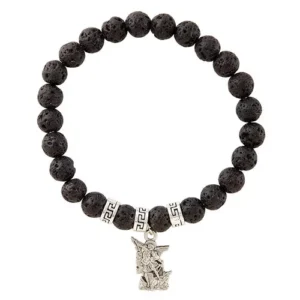
Traditional Catholic Baptism gifts often include a small crucifix, children’s Bible, guardian angel medal, Rosary, patron saint image, or another devotional keepsake. These gifts can help connect the child with the faith that parents and godparents promise to nurture. A godparent who chooses such a gift also has an opportunity to write a personal message explaining why it was chosen, turning a simple object into a record of the promises and prayers that surrounded the child’s Baptism.
The strongest Baptism gifts do not necessarily attract the most attention on the day itself. They possess the potential to become familiar. A crucifix placed above a child’s bed may remain there through years of bedtime prayers and childhood illnesses before eventually moving to a college apartment or first home. A medal given by a godparent may sit untouched for years before the grown child begins carrying it. In this way, a gift chosen for someone too young to remember receiving it can eventually help that person remember where the Christian life began.
First Holy Communion Gift Ideas
First Holy Communion brings a different kind of memory because the child participates consciously in the day. Families gather, white dresses are pressed, ties are straightened, photographs are taken, and children enter the church trying to remember everything their teachers told them about where to stand and what to do. Beneath all those familiar details stands the reason for the celebration: for the first time, the child receives Christ in the Eucharist.
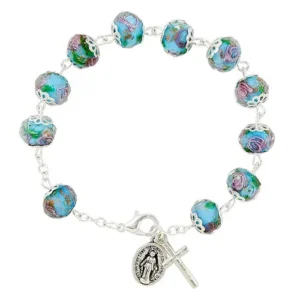
For that reason, meaningful First Communion gifts should direct attention toward the sacrament rather than merely commemorate the ceremony. A Rosary can encourage a developing life of prayer, while a Catholic Bible or prayer book can accompany the child as faith matures. A crucifix can enter the child’s room and remain long after the First Communion clothing no longer fits. Eucharistic medals and keepsakes bearing chalice or host imagery can preserve the memory of the day while pointing back toward what happened at the altar.
Adults sometimes remember First Communion through photographs and family celebrations, but the most enduring gift of the day remains the Eucharist itself. A well-chosen religious gift respects that order. Rather than competing with the sacrament, it gives the child something tangible that can continue to recall the encounter with Christ that made the celebration important in the first place.
Confirmation Gifts That Reflect the Person
Confirmation offers an especially rich opportunity for a personal Catholic gift because many candidates choose the name of a saint whose life, virtues, or patronage speaks to them. By the time a young Catholic reaches Confirmation, interests and personality have also begun to emerge more clearly. A giver can therefore choose something that reflects both the sacrament and the individual receiving it.
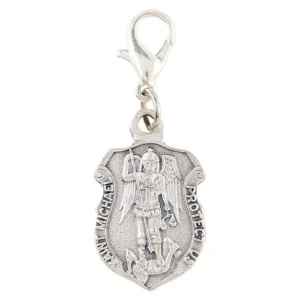
A Saint Michael medal may encourage someone drawn to courage and spiritual strength, while an image or devotional item connected with Saint Thérèse of Lisieux may suit someone inspired by her little way of love. Saint Joan of Arc can speak powerfully to a young Catholic learning to defend the Faith with courage, while Saint Francis de Sales may hold special meaning for someone drawn to writing, communication, or patient gentleness. Countless other saints offer equally personal connections.
A patron saint gift also carries an important message about Confirmation itself. The sacrament does not mark graduation from Catholic formation or the end of religious education. Through Confirmation, the Holy Spirit strengthens the baptized Christian for a mature life of faith and witness. A gift connected with the candidate’s chosen saint can therefore serve as a reminder that the saint’s name was chosen for the road ahead, not simply for the ceremony that has passed.
Catholic Wedding Gifts for a New Home
A Catholic wedding changes the context of gift-giving because the gift enters a household that the couple has only begun to build. Wedding celebrations last a day, but Matrimony calls husband and wife to live their vows across decades. Catholic wedding gifts can acknowledge that distinction by giving the couple something that supports the spiritual life of the home they will create together.
A crucifix often makes an especially fitting Catholic wedding gift because it places Christ’s sacrificial love before the couple as they begin married life. A Holy Family image, Rosary set, Catholic family Bible, Sacred Heart image, Marian image, or devotional piece connected with Saint Joseph can likewise become part of the couple’s developing domestic church. The object does not create a faithful marriage, but it can quietly remind husband and wife of the faith within which they made their promises.
Time often gives these gifts a significance that nobody can see on the wedding day. Children may grow up beneath the crucifix their parents unwrapped after the reception. A Bible may gather baptismal dates, sacramental records, funeral cards, and handwritten family notes between its pages. An image of Our Lady may remain in the hallway through new jobs, pregnancies, illnesses, Christmas mornings, arguments, reconciliations, and ordinary afternoons. The gift gradually stops belonging only to the wedding and becomes part of the family’s history.
Patron Saint Gifts That Feel Personal
Patron saint gifts work especially well when the giver pays attention to the recipient’s vocation, interests, struggles, or existing devotions. A teacher may find encouragement in Saint Elizabeth Ann Seton, while a writer or communicator may appreciate Saint Francis de Sales. Someone in medicine may feel drawn to Saint Luke, while a police officer or member of the military may already have a devotion to Saint Michael. A person facing an apparently impossible situation may find particular comfort in a saint whose patronage or life speaks directly to that difficulty.
The connection does not always need to follow a formal patronage. Sometimes a saint becomes important because the recipient encountered that saint’s life at the right moment. Someone may discover Saint Thérèse during a period of suffering, Saint Monica while praying for a family member, or Saint Joseph while trying to understand fatherhood and responsibility. In such cases, a medal, holy card, statue, book, or sacred image can acknowledge a relationship that already carries spiritual meaning.
This kind of gift communicates something beyond the object itself because it tells the recipient that the giver has paid attention. The gift quietly says that someone remembered the saint they love, the work they do, the burden they carry, or the virtue they hope to develop. Personal attention often gives a relatively simple religious gift greater meaning than something far more expensive but less carefully chosen.
Catholic Gifts for a New Home
Housewarmings and moves also provide natural opportunities for Catholic gifts because a new home begins without a history. The walls remain unfamiliar, the boxes have not all been unpacked, and the family has not yet accumulated the ordinary memories that will eventually make the place feel like home. A sacred object can become one of the first things that gives the new space a spiritual center.
A crucifix for the entryway, a Marian image, a Holy Family statue, a Catholic Bible, a holy water font, or carefully chosen sacred art can help a family establish the home as a place of prayer. These gifts work especially well when they reflect the recipient’s existing devotional life rather than simply adding religious decoration. Someone who prays the Rosary regularly may appreciate a beautiful place to keep it, while a family devoted to the Sacred Heart may welcome an image that can become part of family prayer.
As with wedding gifts, the value of a Catholic housewarming gift often reveals itself slowly. A crucifix that enters the home before the family has finished unpacking may still hang there years later when children leave for college. A statue placed carefully on a shelf may witness decades of ordinary family life. Sacred objects gain depth when people pray around them, carry them through moves, and associate them with the homes in which important parts of life unfolded.
Catholic Gifts During Illness, Grief, and Difficult Seasons
Not every Catholic gift accompanies a celebration. Some of the most meaningful gifts enter hospital rooms, homes made quiet by grief, or seasons in which a person struggles to find words for what has happened. Illness, death, fear, and uncertainty can make ordinary gift-giving feel inadequate because the giver cannot fix what the recipient faces.
A Mass card, Rosary, crucifix, medal, devotional candle, prayer book, or sacred image can offer something different from an attempt to solve the problem. Such a gift can communicate presence and prayer. It tells someone that another person remembered the suffering, brought it before God, and refused to let the person carry it entirely alone.
The circumstances call for sensitivity, however. Grief does not need decoration, and suffering does not require explanations. A small devotional gift accompanied by a sincere promise of prayer may speak more gently than something elaborate. When words become difficult, a familiar sacred image or Rosary can provide a place for the grieving or frightened person to turn without demanding that they know exactly what to say.
Gifts for Someone Entering the Catholic Church
The reception of a new Catholic into the Church offers another occasion when a religious gift can mark both an ending and a beginning. Someone completing OCIA may have spent months studying Catholic teaching, attending Mass, asking difficult questions, developing new habits of prayer, and preparing to receive the sacraments. The celebration marks a profound moment, but the person’s Catholic life continues long after the Easter Vigil ends.
A Catholic Bible, Rosary, crucifix, prayer book, patron saint medal, or sacred image can accompany that continuing journey. A sponsor might choose a gift connected with the person’s Confirmation saint or write a message inside a Bible that recalls the date of reception into the Church. Such personalization anchors the gift to a particular moment while leaving room for the object to acquire new meaning over the years.
This occasion also reveals something important about Catholic gift-giving more generally. The best religious gifts point forward as well as backward. They commemorate what God has already done while encouraging the recipient to continue praying, learning, and growing in faith.
Catholic Gifts for Priests, Deacons, and Religious
Ordinations, anniversaries of ordination, religious professions, and other vocational milestones give Catholics an opportunity to express gratitude for lives dedicated to the service of God and the Church. These occasions require the same personal attention that should guide any Catholic gift. The recipient’s spirituality, religious community, patron saints, ministry, and personal devotions can help determine what will carry genuine meaning.
A priest may appreciate a devotional item connected with his patron saint, while someone entering religious life may value an object related to the spirituality of the community. A meaningful sacred image, Rosary, book, or carefully selected devotional object can commemorate the vocation without reducing it to the occasion itself. A handwritten note describing how the person’s ministry has affected the giver can sometimes become as valuable as the gift that accompanies it.
Such gifts also provide an opportunity to express gratitude for service that often happens quietly. Parishioners see priests at the altar but may not see the hospital visits, late-night calls, preparation, counseling, funerals, administrative burdens, and ordinary acts of pastoral care that fill the days between Sundays. A thoughtful gift can acknowledge not only an anniversary or ordination date but also the years of service represented by it.
Why Religious Gifts Often Become Family Keepsakes
Modern life produces enormous quantities of objects designed for replacement. Phones become obsolete, fashions change, household goods wear out, and yesterday’s novelty eventually enters a drawer or donation box. Religious objects can become precious for almost the opposite reason: families often value them more as they grow older.
Rosary beads become smooth through years of prayer. Prayer books gather handwritten names, dates, funeral cards, and pencil marks. The details on medals soften after decades of wear. Crucifixes travel from apartment to house and sometimes from a family home to a nursing home. A Bible begins with one person’s handwriting inside the cover and may eventually receive another’s. The wear does not always diminish these objects; sometimes it reveals how deeply they entered a person’s life.
Eventually, a treasured religious object can carry two stories at once. It continues to tell the sacred story it represented when someone first gave it, whether that story concerns Christ, Mary, a saint, a sacrament, or a particular devotion. At the same time, it accumulates a human story through the years of prayer, joy, suffering, family life, and ordinary use that followed.
A granddaughter who inherits her grandmother’s Rosary therefore receives more than beads and a crucifix. She receives an object that rested in familiar hands during prayers she never heard and worries she may never know. A son who inherits his father’s saint medal receives something worn through years of work and family life. A Bible passed to another generation may contain a date written decades earlier by someone who had no idea who would eventually read it.
Give Something That Can Become Part of a Life
This longer view offers perhaps the simplest way to choose among Catholic gift ideas. Instead of asking only what someone would enjoy opening today, consider what that person might still value twenty years from now. Think about whether the gift can encourage prayer, deepen a devotion, recall a sacrament, honor a vocation, strengthen a Catholic home, or preserve the memory of someone who gave it with love.
No giver can manufacture sentimental value or predict which possessions another person will treasure. A gift acquires its history only through time. Yet thoughtful choices create the possibility for that history to begin. A crucifix can find its place on a wall. A Rosary can begin passing through someone’s fingers. A Bible can acquire notes in its margins. A saint medal can travel quietly in a pocket through years the giver will never see.
That possibility explains why meaningful Catholic gifts have never depended simply upon the objects themselves. Their deepest value comes from what they point toward and from the lives into which they enter. The wrapping paper will disappear, the celebration will end, and photographs from the occasion will eventually grow old. Yet somewhere, many years later, a person may still reach for the Rosary, look toward the crucifix, open the Bible, or hold the medal that someone once chose with care. By then, the gift will have become something more than a remembrance of one day. It will have become part of a life.